Is Double Cleansing Worth It, or Just Another Step?
Double cleansing has genuine logic behind it — but only for specific circumstances. Here's who actually benefits, who can skip it, and how to do it without leaving your skin worse off.
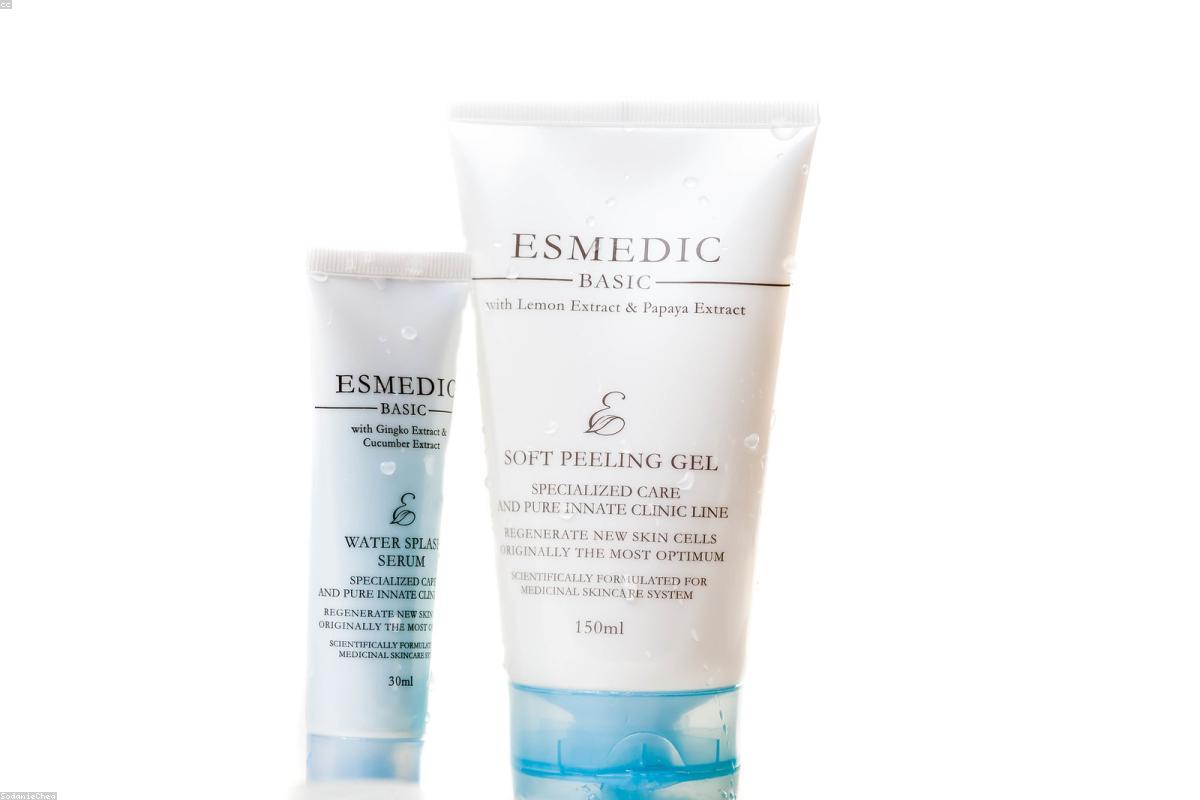
Double cleansing — the practice of washing your face twice in sequence, first with an oil-based product and then with a water-based cleanser — has migrated from Korean skincare routines to mainstream shelves over the past decade. Like most trends that survive this long, it has a genuine rationale. It also has a habit of being recommended to people who simply do not need it.
What double cleansing is and why it exists
The logic is straightforward. Most modern SPFs are water-resistant by design — that is the point of them. Many foundations, tinted products, and long-wear cosmetics are similarly formulated to stay put through sweat and environmental exposure. Water-based cleansers, even thorough ones, do not reliably dissolve these products; they emulsify them only partially, leaving a residue that standard cleansers cannot remove effectively.
Oil-based cleansers — and balm cleansers, which are a thicker variation — dissolve sunscreen, makeup, and excess sebum because like dissolves like. The oil bonds with the lipid-based components of these products and allows them to be rinsed away, leaving the skin genuinely clean for the second cleanse. The second step, a water-based or foaming cleanser, then removes any residue left behind by the oil cleanser itself and any remaining water-soluble impurities.
Done properly, the result is thorough removal without relying on harsher detergents or aggressive rubbing, which is part of why the method found favour in routines built around maintaining the skin barrier.
Who genuinely benefits
Double cleansing makes the most practical sense if you:
- Wear SPF daily — particularly a chemical SPF or any formula with a water-resistant rating. These require an oil-based first step to lift properly.
- Wear foundation, concealer, or other film-forming makeup. Full coverage products and long-wear formulas need more than a water-based rinse.
- Have oily skin. A first pass with an oil cleanser can lift the day's sebum accumulation in a way that reduces the burden on the second cleanser, often resulting in a cleaner finish without stripping.
Who can reasonably skip it
Double cleansing is not a universal requirement. If you:
- Wear minimal or no makeup
- Use a physical SPF that rinses away readily
- Have dry, sensitive, or compromised skin that reacts to extended cleansing
— then a single, thorough cleanse with a gentle water-based cleanser is likely sufficient. Adding a step that the skin does not need is not neutral; over-cleansing removes the protective oils and lipids from the skin surface, which can compromise the barrier and trigger the compensatory oil production it was meant to avoid.
The idea that more cleansing is always better is not supported by dermatological evidence. The goal is clean skin, not stripped skin.
How to do it without over-stripping
The quality of the products matters considerably here.
For the first step: choose a gentle oil cleanser or cleansing balm formulated for the face, rather than repurposed body oil or coconut oil. Purpose-made oil cleansers are designed to emulsify with water and rinse cleanly, rather than leaving a greasy film that the second cleanser has to work harder to remove. Massage in dry hands for a minute, add water to emulsify, then rinse.
For the second step: a gentle, low-foaming or creamy cleanser is appropriate for most skin types. High-lather, high-sulphate cleansers are not necessary and frequently cause more barrier disruption than the double-cleanse was meant to prevent.
Temperature: lukewarm water only. Hot water strips skin of surface lipids and is a direct contributor to dryness and sensitivity in people who use it routinely.
The purpose of cleansing is to remove what doesn't belong — not to remove everything the skin puts there itself.
Morning versus night
This is one of the more sensible simplifications available to most people: double cleanse only at night, when there is actually something to remove.
In the morning, your face has been on a clean pillow all night. Unless you sleep in heavy products, there is nothing on the skin that requires an oil-based first step. A single rinse with a gentle cleanser — or, for dry skin, just water — is sufficient. Using a full double cleanse morning and night is overkill for the majority of skin types and a likely contributor to dryness and irritation in people who are already prone to it.
A note on micellar water
Micellar water is sometimes presented as an alternative first cleanse. It works reasonably well for light makeup and standard SPF, but it is less effective on water-resistant sunscreens and full-coverage makeup than a proper oil cleanser or balm. It also has a tendency to leave a film on the skin that, without a rinse, can cause sensitivity in some people. Used correctly — applied generously with a cotton pad and followed by a rinsing cleanser — it is a viable option. Used as the only cleanse without rinsing, it is not.
The overall verdict on double cleansing is that it is worth doing when you have a reason to do it. That reason is usually SPF and/or makeup. Without those, a gentle single cleanse is probably all you need, and your skin barrier may be quietly grateful for the simplicity.