The Right Order to Apply Your Skincare (and Why It Matters)
The sequence you apply skincare actually changes what it does. Here's the logic behind layering, and the common mistakes that quietly undermine even a good routine.
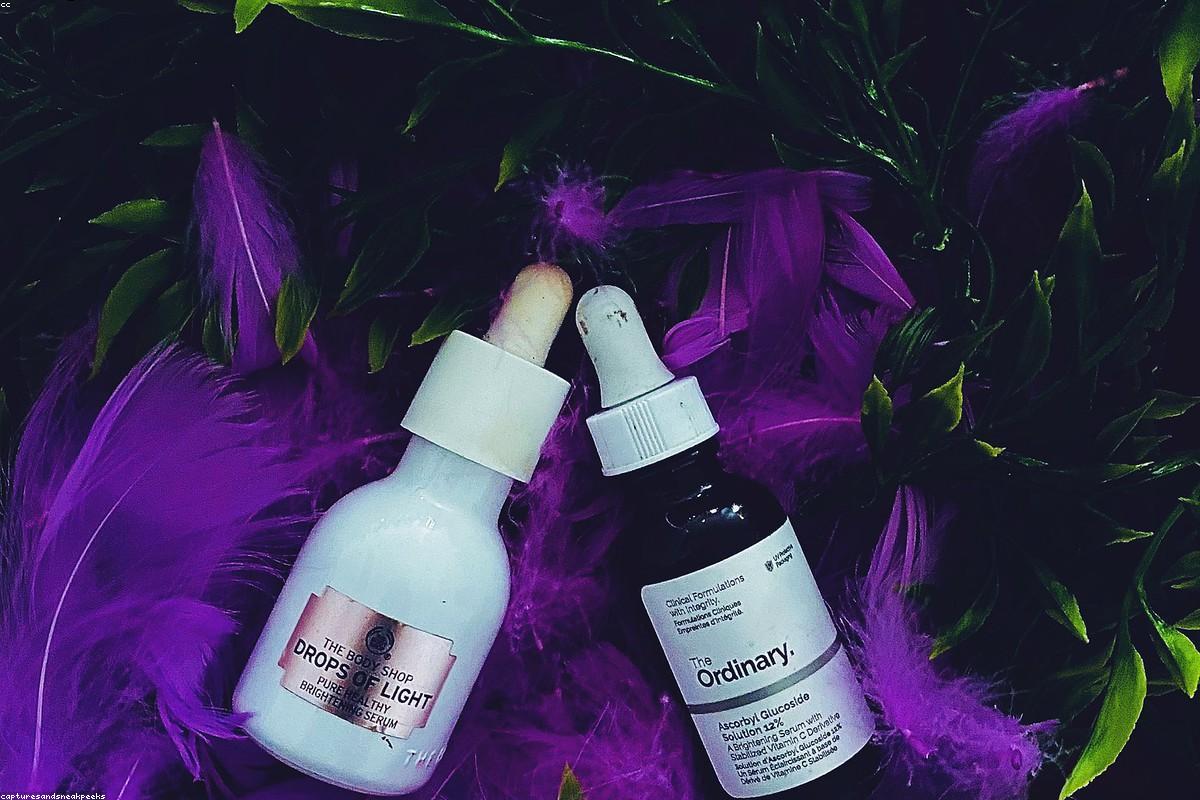
Most skincare advice focuses on what to buy. Less attention goes to how products are applied — which turns out to matter considerably more than it might seem. Apply an oil before a water-based serum and the serum sits on top of the oil, largely unable to absorb. Apply SPF before moisturiser and you dilute the sun protection factor. The order isn't arbitrary; it follows a set of logical principles that, once you understand them, become fairly easy to apply to any routine.
The core rule: thinnest to thickest
The most reliable organising principle is texture. Products go on in ascending order of weight and occlusion — from the lightest, most watery formulas to the richest, most film-forming ones. This works because:
- Lighter formulas penetrate more easily and are blocked by heavier ones laid down first.
- Heavier products (creams, oils, balms) create a partial seal on the skin surface that subsequent layers struggle to pass through.
- Finish with a film-former (SPF in the morning, sometimes a balm or oil at night) that locks everything in.
There's also a water-before-oil rule nested inside this. Water-based products — toners, essences, water-based serums — go before oil-based products. Oil repels water, so reversing this order simply means the water-based product pools on the surface and evaporates without much useful contact with the skin.
The morning sequence
A practical AM routine, in order:
- Cleanser — optional in the morning if you cleansed thoroughly at night. A splash of water or a very gentle rinse-off is often enough for dry and normal skin types.
- Toner or essence — if used. Apply to slightly damp skin and allow to absorb for 30–60 seconds.
- Vitamin C serum — the most useful morning active. Antioxidants intercept oxidative damage from UV and pollution, so morning is the logical home for vitamin C.
- Other water-based serums — niacinamide, peptides, hydrating serums. If you use more than one, thinner goes before thicker.
- Moisturiser — locks in hydration and creates a stable base for SPF. Allow a minute to settle.
- SPF — last. Always last. Sunscreen is designed to sit on the skin surface to absorb or reflect UV. Anything applied over it dilutes the film and reduces the protection you actually receive.
The most common morning mistake is applying SPF before moisturiser. The second most common is skipping it entirely, but that is a different problem.
The evening sequence
The PM routine follows the same logic, with a few adjustments.
- First cleanse — if you wore SPF, makeup or both, an oil cleanser or micellar water first. SPF in particular is water-resistant and does not fully come off with water-based cleansers alone.
- Second cleanse — a gentle water-based cleanser to remove any residue and reset the skin.
- Toner or essence — as in the morning.
- Actives — retinoids, prescription tretinoin or adapalene, and chemical exfoliants (AHA/BHA) are best used at night, away from UV exposure. Apply one at a time; pick one evening focus rather than stacking several strong actives together.
- Serums — any remaining targeted treatments.
- Moisturiser or sleeping mask — richer than a daytime moisturiser is fine, since there's no SPF to think about underneath.
- Facial oil or balm — if used, goes over moisturiser, not under it.
Where actives fit, and why they sometimes disappoint
Retinoids, vitamin C, and acids are the most evidence-supported topical actives, and they are also the most commonly misplaced. A few observations:
- Retinoids go directly on cleansed skin before moisturiser — or sandwiched between two applications of moisturiser if sensitivity is a concern. Applying retinol after a thick cream is not wrong, but it will blunt the absorption.
- Vitamin C (L-ascorbic acid) is pH-dependent. It works at a low pH that most toners and richer products do not share. Apply it to freshly cleansed skin before anything else in the morning.
- Chemical exfoliants (AHAs, BHAs) also work at low pH. Apply them before serums, not after. Layering a heavy moisturiser on top immediately can neutralise the acid and cut the effect short — give it a few minutes.
The rule of thumb: if a product needs to do something to the skin — not just sit on top of it — it belongs earlier in the routine, before anything that might block its path.
AM vs PM: the key differences
The morning routine is about protection — antioxidants and SPF defend against external stressors. The evening routine is about repair and turnover — retinoids and exfoliants work while you sleep, when cell renewal naturally peaks. This is why swapping your routines (using retinol in the morning, say) is not ideal: retinoids are photosensitised and break down in UV, and you lose the evening repair window by front-loading everything into the morning.
Common mistakes worth knowing
Using too many actives at once. More steps do not produce better results; they frequently produce irritation, barrier disruption, and confusion about what is or isn't working. A routine with three evidence-backed products applied correctly will outperform eight products stacked carelessly.
Not waiting between steps. Most formulas are stable enough that you do not need to time every layer precisely — but SPF needs a moment to set before makeup goes on, and actives benefit from a minute of contact time before the next layer arrives.
Applying a facial oil before serums. A persistent one. Oils are occlusive — they seal the surface. Anything water-based applied after an oil absorbs poorly. Oils belong at the end of a routine or, in the morning, swapped out entirely in favour of SPF.
Assuming SPF is optional on cloudy days. The UV that causes pigmentation and long-term skin damage passes through cloud cover readily. Apply regardless.
The good news is that once the underlying logic is clear — lightest first, protection last in the morning, repair and actives in the evening — the right order becomes intuitive. You stop needing a prescribed list and start being able to place any new product sensibly on your own.