Skin Tint vs Foundation: Which One Do You Actually Need?
The coverage spectrum is wider than most people realise. Understanding where skin tint ends and foundation begins saves you a lot of time, money, and a certain pastiness.
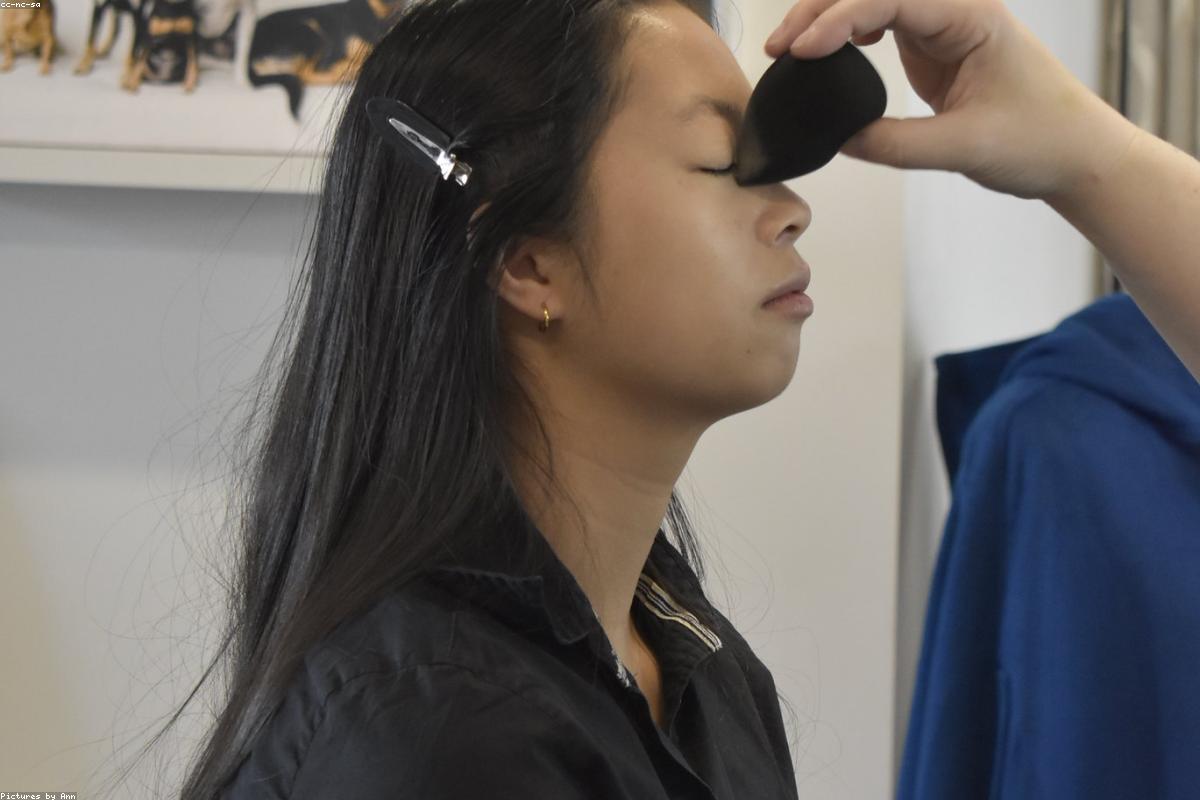
The question tends to come up whenever someone reaches the end of their current foundation and thinks: do I actually need to replace this with the same thing? It is a reasonable moment to pause. Skin tints and foundations are not interchangeable, but they are not as different as the marketing would have you believe. They sit on the same spectrum; what you need depends on what your skin is doing that day — and, honestly, where you are going.
What a skin tint actually is
A skin tint is, at its simplest, a sheer wash of colour in a skincare-forward base. The pigment load is low, which means it does not fully obscure what is underneath — the idea is to even out the overall tone while letting your actual skin texture show through. Pores, a slight flush, the shadow under your eye: a skin tint softens rather than erases.
The base formula is usually lightweight — often water-based or gel-textured, sometimes with added SPF, hyaluronic acid, or similar. This makes them feel almost invisible once blended, which is much of their appeal. The trade-off is that they offer minimal correction. If you have significant redness, post-blemish marks, or noticeable unevenness, a skin tint alone will not fully address it.
Skin tints suit:
- Good skin days, when you want a polished look without a made-up one
- Everyday wear, especially in warm weather when heavier base tends to move
- Anyone new to base products who finds foundation feels like too much
- Natural or "no-makeup makeup" finishes
What foundation does differently
Foundation is engineered for coverage. The pigment concentration is higher, which means it can genuinely conceal redness, discolouration, and uneven texture. Most foundations also contain film-forming polymers that help them set and stay, which is why they last longer and hold up better under powder, setting spray, and the general friction of a day.
The finish range within foundations is vast — from skin-like satin to full matte — but even a "natural finish" foundation will provide more opacity than a skin tint at the same sheer end of the spectrum.
Foundation earns its place when:
- You have uneven skin tone that you genuinely want covered
- The occasion demands longevity: a long day, an event, evening wear
- You are shooting photos, which tend to flatten and amplify colour differences
- You are wearing a full face and need a base that anchors everything else
Building a skin tint toward more coverage
One underused technique: start with a skin tint as your base, then add concealer only where you need it. This gives you a more realistic, breathable finish than applying full-coverage foundation everywhere, while still addressing problem spots.
The sequence is the same as with foundation — skin tint first, then concealer on top, set the spots that need it. A tinted moisturiser applied with a damp sponge will press into the skin rather than sitting on it, which helps the coverage look lived-in rather than applied.
If you want to layer two products rather than swap between them, choose a tint and a concealer from formulas that are compatible — mixing a very watery tint with a thick, oil-based concealer tends to separate. A thin, fast-setting concealer over a lightweight tint works well.
How the finish affects the choice
The finish you want at the end of the day matters as much as the coverage level you need at the start of it.
Skin tints almost always deliver a dewy, fresh finish — they are not designed to be matte. If you prefer a more controlled, matte finish, a foundation (or a skin tint set firmly with powder) will hold it better. If you want to glow, a skin tint with a luminous primer underneath is a quicker route than a foundation with an illuminating topper.
This is also where skin type comes in. Oilier skin tends to move sheerer products faster, which can mean a skin tint becomes nearly invisible by midday. A light-coverage foundation with a setting spray will last longer. Drier skin, conversely, often drinks up foundation in a way that emphasises texture — a hydrating skin tint can look better for longer simply because the formula suits the canvas.
Finishing: powder, no powder, or a mist
Skin tints rarely need powder. Setting them all over tends to kill the dewy quality that made you choose a tint in the first place. If you need to control shine, a light dust of translucent powder on the T-zone only is enough.
Foundation benefits from setting, particularly in the areas most prone to movement — around the nose, on the chin. Pressing a thin layer of powder over freshly applied foundation extends wear significantly. A setting mist afterwards can soften any powdery quality and restore a more natural look.
Neither product needs to be fixed with a mist, but if your skin tends toward dryness, a hydrating mist after powder can prevent that tight, slightly mask-like feeling that some foundations and powders combine to create.
The practical answer
On low-stakes days — work, errands, a casual lunch — a skin tint and good skincare prep is almost always enough. On days when you need to look put-together in photographs, or when you know you will be somewhere for six or more hours without a chance to touch up, foundation is the more reliable choice. Most people benefit from having both in rotation rather than committing to one. The skill is knowing which day calls for which.
For more on building a skincare base that makes either product work harder, good prep matters at least as much as formula selection.