Cream Blush, the Right Way
Cream blush looks like real skin because, applied correctly, it essentially becomes part of it. Here is how to place it, blend it, and keep it there.
Powder blush is reliable. It sits on top of the skin, blends easily, and is fairly forgiving if you overshoot. Cream blush is more demanding — it melts into the skin rather than resting on it, which is exactly what makes it look so good and also exactly what makes it go wrong when you rush it. Get the application right and it reads as flush, a little warmth, something you were born with. Get it wrong and it sits in patches, streaks, or stains your base in a way that is difficult to fix.
The difference in finish comes down to texture. Cream pigments interact with the moisture and oils already in your skin — they soften, blend with the base, and settle into the surface rather than coating it. That integration is what makes them look real. It also means technique matters more than it does with powder.
Why fingers usually win
The warmth of a fingertip is your best blending tool for cream blush. It warms the product slightly as you work, which helps it melt into the base. Press a small amount onto the pad of your middle finger, then tap — not sweep — it onto the skin. Tapping presses pigment in without dragging the base underneath; sweeping tends to move the foundation you just applied.
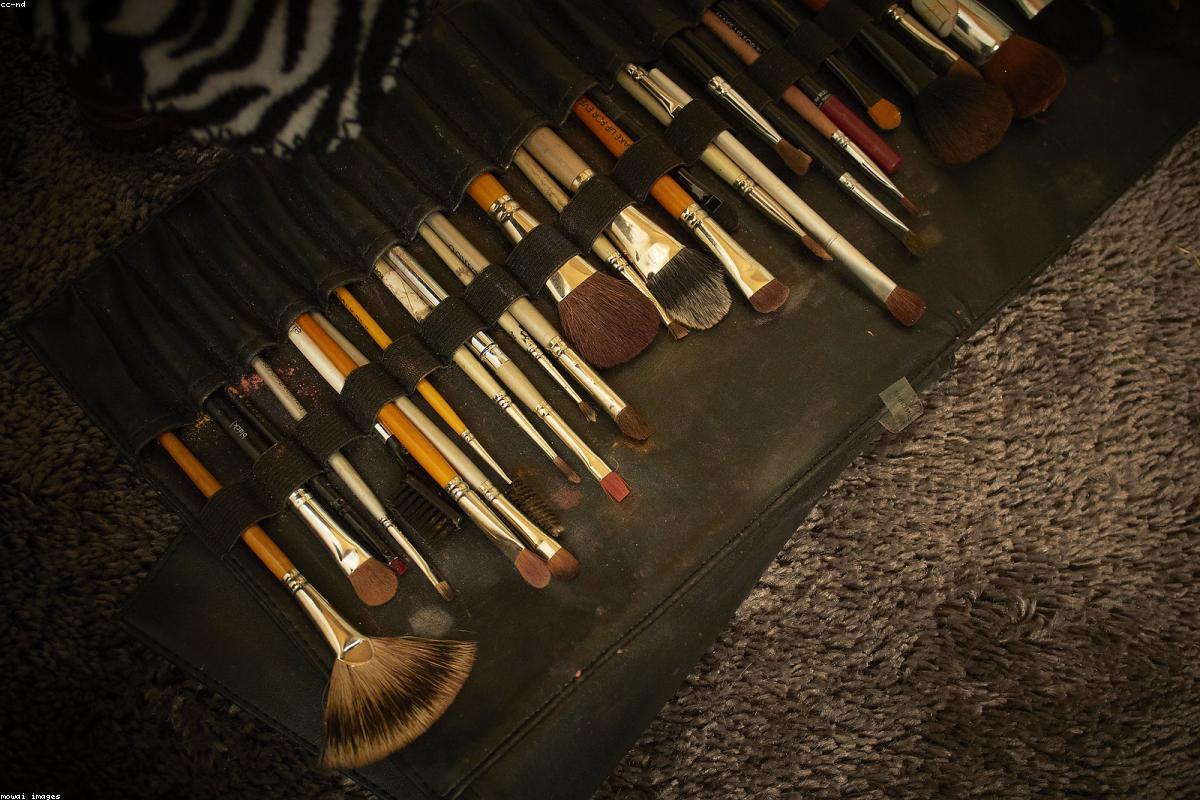
A dense brush can also work, particularly a short-bristled buffing brush used in small circular motions. What tends not to work is a fluffy powder brush — it disperses cream pigment unevenly, leaves streaky edges, and does not blend the product into the skin the way a finger or dense brush does. If you have been struggling with cream blush, the applicator is often the problem.
One rule regardless of tool: less than you think, and then a little more if you need it. Cream blush is easier to build than to remove.
Placement for different face shapes
The classic placement — on the apple of the cheek, blended upward toward the temple — works for most faces, but it is not the only option. A few variations:
- Round faces: Blending the colour more toward the temple than the centre of the cheek creates length and takes the roundness down slightly. Avoid very central, circular placement — it emphasises width.
- Long or narrow faces: A more horizontal placement, across the cheek and toward the nose bridge, adds width. Keep it central rather than sweeping it up.
- Oval faces: The most flexible shape — most placements work. The classic upward sweep is flattering, as is a draped, sunburned stripe across the nose and both cheeks.
- Square or angular faces: Soft, high placement near the outer corner of the eye and blended upward tends to work well, softening the jawline by drawing the eye upward.
These are tendencies, not rules. Placement is also about where you want colour on your face — someone who wants warmth across the nose bridge will achieve a different effect from someone who wants lifted-looking cheekbones, even with the same product.
Layering over your base
Cream blush generally applies best over a foundation or skin tint that has had a moment to set — not fully powdered, not completely wet. The slight tackiness of a base that has just set is ideal. If your base is still very wet, the blush will drag and blend unevenly. If you have already set your base with a heavy layer of powder, the blush will sit on top of the powder rather than melting in, and you lose the skin-like quality.
If you have set your base with a very fine, light dusting of powder — the translucent kind applied with a light hand — cream blush can still work over it, though the integration will be slightly less seamless. Some people apply cream blush before setting powder, then dust the lightest amount of powder on top to lock it. This works well for longevity without sacrificing the finish.
Applied before setting powder, cream blush effectively becomes part of the base — it is sandwiched in rather than sitting on the surface.
Fixing a too-heavy hand
If you have applied too much, the first move is a clean, dry finger or a damp sponge pressed gently over the area. Pressing picks up some of the excess without completely removing what is underneath. Do not rub — rubbing spreads the pigment further and makes it harder to correct.
If you have used a very saturated or fast-setting formula and pressing does not fix it, a small amount of foundation or skin tint over the top (applied by patting, not blending in circles) can dilute the colour. Let it sit for a moment, then press again. It takes patience but it works more reliably than trying to scrub the colour off.
The more consistent solution is to start light. Cream pigments tend to look stronger once they have set than they do when freshly applied — what looks like barely-there colour in the moment can be vivid after two minutes. Pause before adding more.
Longevity
Cream blush does not last as long as powder on most skin types, which is simply a function of how it sits in the skin rather than on it. There are a few ways to extend wear:
- Apply over a well-set (not overly powdery) base — a grippy surface holds colour longer than a very dry or very dewy one.
- Layer a small amount of the same shade in powder form over the cream blush once it has set. The powder version on top anchors the colour without altering the finish significantly.
- Use a setting spray over the finished face. A fine mist pressed (not fanned) into the skin locks everything in and, counterintuitively for cream products, tends to help them last.
- Avoid touching your face in the cheek area. The warmth and pressure of repeated touch blends cream blush further than you intended and eventually removes it.
On oilier skin, cream blush tends to move faster — the skin's own oils continue to work on the pigment throughout the day. In this case, the powder-over-cream layering technique is particularly useful, and a mattifying primer in the cheek area before base application can extend wear considerably.