Skin Cycling: The Trend That Actually Has Some Logic
A four-night rotation of actives and rest nights went viral for a reason — it is, broadly, how dermatologists have always recommended using strong actives.
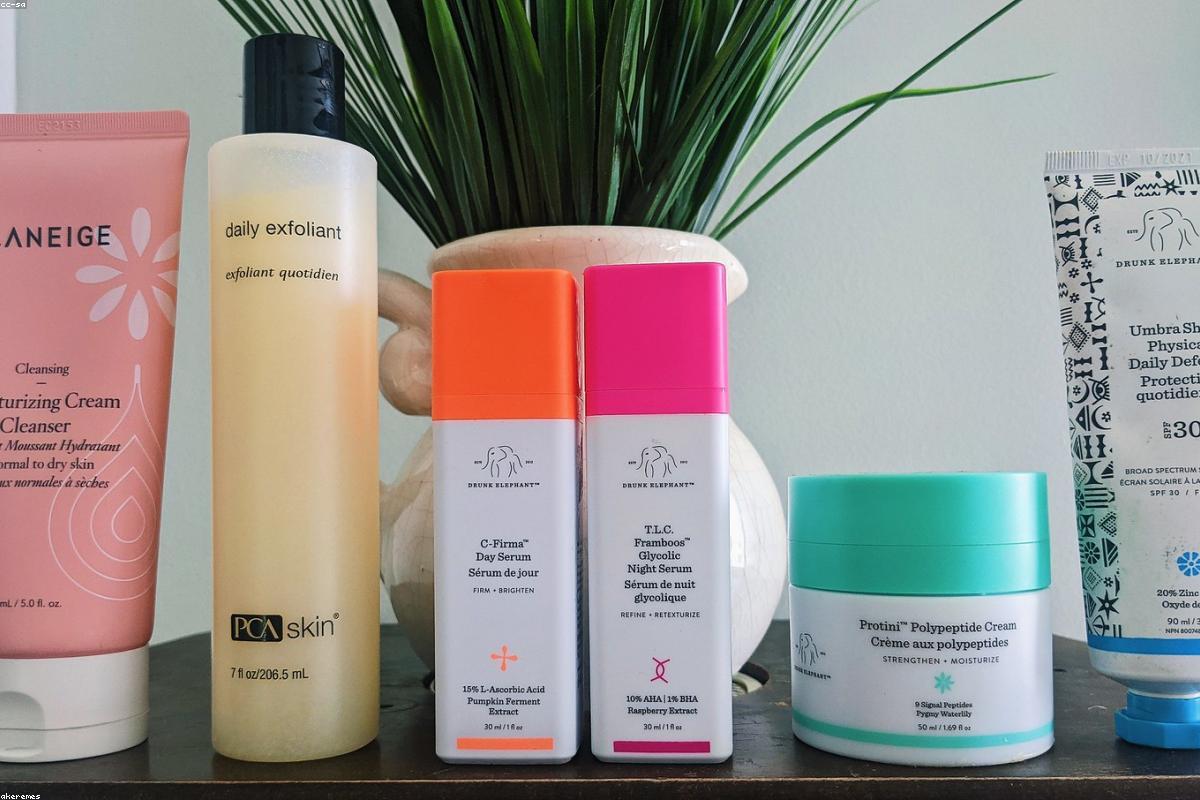
Most skincare trends deserve a certain amount of scepticism. Skin cycling is the exception. It went viral in the way that trends do — a single creator coins a term, the algorithm does the rest — but the underlying principle is not new and is not wrong. Structured rotation of strong actives, with deliberate rest between them, is how dermatologists have long recommended using retinoids and chemical exfoliants. The trend gave it a name and a calendar.
What skin cycling is
The classic skin cycling protocol is a four-night repeating cycle:
- Night 1: Exfoliation. A chemical exfoliant — typically an AHA (glycolic, lactic, mandelic) or BHA (salicylic acid) — is applied after cleansing. No retinoid this night. No layering of actives on top.
- Night 2: Retinoid. A retinol, retinal, or prescription retinoid (tretinoin, adapalene) goes on cleansed skin. No exfoliant this night. Moisturiser over the top.
- Night 3: Recovery. No actives. Hydrating serum, nourishing moisturiser, barrier support. The skin gets to catch up.
- Night 4: Recovery. Same as night 3. Then the cycle repeats from night 1.
The protocol is strict in one direction — no stacking of actives, clear separation between the exfoliant and retinoid nights — and flexible in another. The recovery nights are not idle; they are active barrier maintenance, which is easy to undervalue.
Why it makes sense
Chemical exfoliants and retinoids are the two most evidence-supported categories of skincare actives. Both work by accelerating cell turnover, clearing dead skin cells, and — in the case of retinoids — stimulating collagen synthesis and evening pigmentation over time. They are also, used wrong, the two most reliably irritating categories in skincare.
The problem most people who struggle with actives share is not that the actives are too strong. It is that they are used too frequently, too soon, and in too many combinations. Redness, peeling, sensitivity, and the paradoxical result of skin that looks worse than before active use began are not signs that the actives are not working — they are signs that the skin barrier has been disrupted and has not had time to recover.
Skin cycling addresses this directly. By separating the exfoliant and retinoid nights, it eliminates the compounded irritation that comes from using them on the same skin. By building in two recovery nights, it gives the barrier time to repair before the next active application. The four-night cycle means each active is used roughly twice a week — which is, broadly, where dermatologists tend to start most patients with sensitive or reactive skin.
The logic of skin cycling is not that you use fewer actives. It is that you give the skin time to recover between each one, so the actives can actually do their job.
Who benefits most
Skin cycling is most useful for two groups.
People new to retinoids or exfoliants. If you have never used a retinoid before, the recovery nights in skin cycling give your skin the buffer it needs to adjust without the sustained redness or peeling that drives most people to abandon the product in the first two weeks. The structured approach removes the guesswork about how often is too often.
People who have been overdoing actives. This is a larger group than it might appear. The marketing logic of skincare pushes active products aggressively, and layering multiple exfoliants, acids, and retinoids into nightly routines has become common. If your skin is persistently reactive, flaky, or producing more breakouts than before you started your actives routine, barrier disruption from overuse is the first thing to consider. Skin cycling — or a version of it — is a reasonable reset.
Adapting the cadence
The four-night cycle is a starting point, not a fixed rule. Several sensible adaptations are worth knowing about.
Stretch the recovery period if you are sensitive. Some people do better on a three-recovery-nights cycle when introducing retinoids, particularly if using prescription-strength tretinoin. Moving to exfoliation night 1, retinoid night 2, then three recovery nights before repeating reduces frequency without abandoning the structure.
Compress the cycle if your skin tolerates it well. More experienced retinoid users with resilient skin sometimes move to two recovery nights only on weekends, or run a shorter two-day active / one-day recovery pattern. The principle — rest between actives — remains; the ratio adjusts.
Drop the exfoliant night if you do not need it. Not everyone needs a dedicated exfoliation night. People using tretinoin already experience significant cell turnover acceleration; adding a glycolic acid night can be redundant irritation. If you are on a prescription retinoid, ask whether your prescriber thinks the exfoliant is adding anything.
Think about what recovery actually means. Recovery nights are not nothing nights. Barrier repair ingredients — ceramides, fatty acids, peptides, panthenol — applied on recovery nights support the skin's ability to tolerate actives long-term. Skimping on moisturiser on recovery nights and then wondering why actives are causing irritation is a common mistake.
What it will not fix
Skin cycling is a framework for managing how you use actives. It is not a shortcut to results you are not yet getting from those actives. If retinoids are not working for you after several months of consistent, well-tolerated use, the issue is likely not that you need more retinoid nights. And if your skin is severely inflamed, cycling through actives — however carefully — is probably not what it needs.
The trend also has a natural ceiling. Once your skin has adapted to a retinoid and an exfoliant over several months, the recovery period can often be reduced without problems. Skin cycling is a sensible introduction strategy, not a permanent protocol for everyone.
The honest assessment
Most skincare trends offer a new product or a new category. Skin cycling offers a structure for using products you likely already have. That is a rarer kind of advice, and it is why the logic holds up better than most of what goes viral in this space.
If you are new to actives, or have found yourself in the frustrating position of using many actives with persistently irritated skin, four nights is a reasonable place to start.