In-Shower Skincare That Actually Makes Sense
The idea of doing skincare steps in the shower has moved from niche habit to mainstream talking point. Some of it is genuinely sensible. Some of it causes problems.
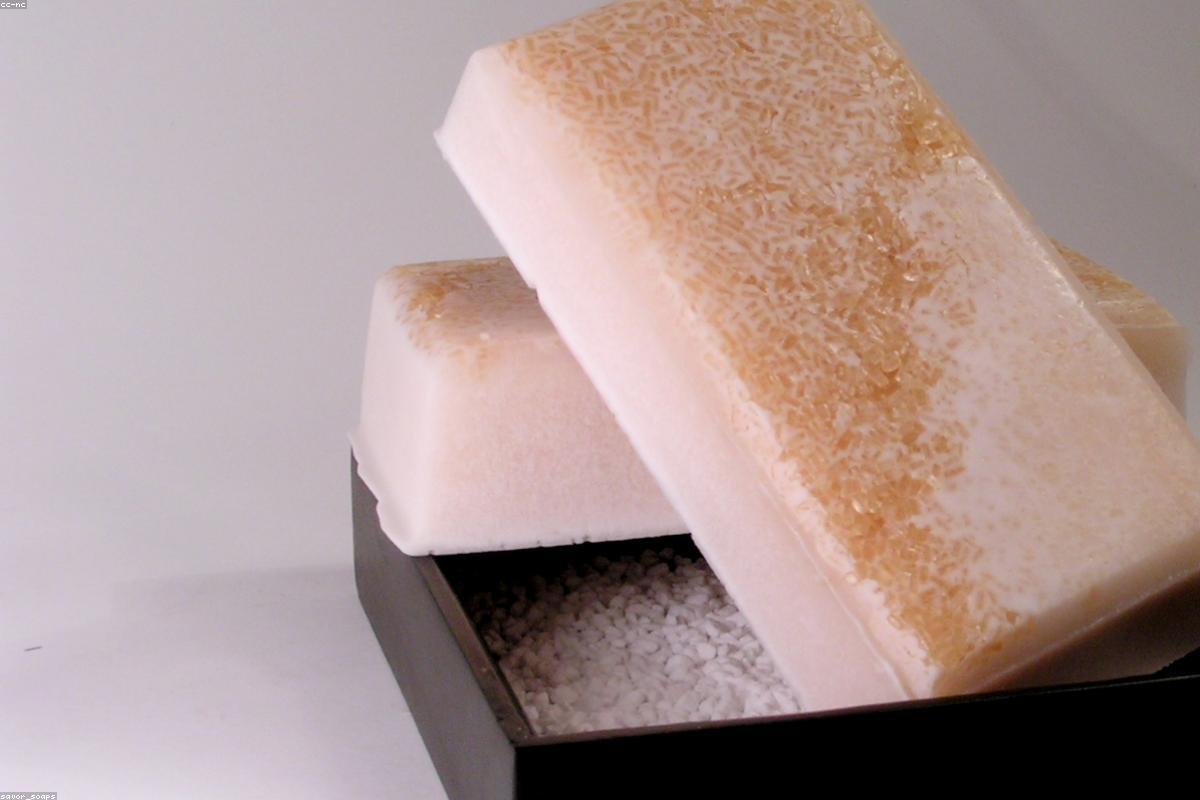
In-shower skincare is not a new idea — plenty of people have always cleansed, exfoliated, and moisturised in the shower without calling it anything. What's changed is that it's become a category, marketed as a specific approach and packaged accordingly. That makes it worth examining honestly: what actually works better in the shower, what is simply convenient without being better, and what genuinely shouldn't happen there at all.
What the shower environment actually does
The shower creates two conditions that matter for skincare. First, steam and warm water soften the skin's surface and help open pores slightly, which can make cleansing more effective. Second — and this is where most in-shower mistakes originate — prolonged exposure to water, especially hot water, strips the skin's lipid barrier. The longer you're in, and the hotter the water, the more disruption occurs.
The result is a narrow window: the steam environment is useful at the start of a shower, when your skin is hydrated but not yet depleted. By the time you've washed your hair and your body and stood under the shower for ten minutes, your skin barrier has been under sustained stress. Anything you apply at that point is landing on compromised skin.
This shapes most of the practical guidance that follows.
What works well in the shower
Cleansing. The cleansing step is genuinely well-suited to the shower. Warm water helps loosen makeup, sunscreen and the day's accumulated debris. A gentle cleanser applied to damp skin, massaged briefly, then rinsed off is exactly what it should be — and doing it in the shower rather than over a sink makes no meaningful difference to the outcome, except that the rinsing is more thorough.
Gentle weekly exfoliation. A weekly chemical exfoliant applied early in the shower — before the water strips the barrier — can work well. The steam may help the product work gently into the surface of the skin. The caveats: use a gentle formula (a low-percentage lactic or mandelic acid rather than a high-strength glycolic), rinse it well before the rest of your shower, and do not follow immediately with a body scrub and hot water for ten more minutes. If you're doing this in the shower, keep the shower shorter and cooler on those days.
Body skincare. The shower is arguably the best place to do body cleansing and targeted body treatments. Body oil applied to damp skin immediately after turning off the water, before you towel off, locks in the moisture the skin has absorbed and seals it. This is a genuinely effective technique — more so than applying body lotion to dry skin. Many people also find that body exfoliants (a gentle scrub, a loofah used lightly) work better in the shower environment where the surface is already softened.
What to avoid, and why
Hot water. This is the obvious one, and also the one most people ignore. Hot water strips ceramides and disrupts the acid mantle — the slightly acidic layer that protects skin from bacteria and environmental stressors. The damage is cumulative and gradual rather than dramatic, which is why hot showers feel fine in the moment and only become visible as persistent dryness, sensitivity and irritation over time. Lukewarm water does everything hot water does, without the cost.
Leaving skin to air-dry before moisturising. This is common, particularly in cultures where a post-shower skincare routine follows a towel-off and a wait. The problem is that as water evaporates from the skin's surface, it draws moisture from within the skin with it. The window for effective moisturiser application is within a few minutes of stepping out — skin should be patted dry, not rubbed, and moisturiser applied while still slightly damp. Waiting until your skin feels tight means you've already lost the window.
Over-stripping cleansers or excessive scrubbing. The shower environment tempts vigorous cleansing — everything rinses away easily, there's a satisfying sense of thoroughness. But a harsh cleanser used daily, combined with hot water and rough towelling, produces consistent barrier disruption that then shows up as dry patches, redness, and increased sensitivity. The goal of cleansing is to remove what doesn't belong without removing what does.
The shower should do the heavy lifting for rinse-off steps — cleansing, exfoliating, hair care. The leave-on work belongs outside it, applied to still-damp skin immediately after.
A practical in-shower sequence
If you want to structure your shower around your skin rather than against it:
- Keep water warm rather than hot.
- Cleanse the face first, when the steam has had a moment to work but before extended hot-water exposure.
- On exfoliation days, apply and rinse the exfoliant before the rest of your routine.
- Do hair and body last.
- Turn the temperature down for the final thirty seconds — cooler water helps calm any inflammation and closes pores slightly before you step out.
- Pat (don't rub) dry and apply face and body moisturiser within a few minutes, to damp skin.
This isn't a complicated system. It's mostly the same steps in a slightly different order, with attention paid to temperature and timing. The biggest gains come from the final step — moisturiser on damp skin immediately after stepping out — which most people are simply not doing.
The honest verdict
In-shower skincare is a reasonable approach for the steps that genuinely belong in the shower. Cleansing and body care have always made sense there. The rest — the serums, the leave-on vitamin C, the SPF — stays outside, applied post-shower to freshly prepped skin. The shower is a tool for removing things, not delivering things. Used accordingly, it's a good one.